The Shoe Fits
A space dedicated to bridging fashion and inclusivity.
Role
Brand & Experience Designer, UX Researcher
Industry
Inclusive Brand Marketing
Duration
4 weeks
Overview
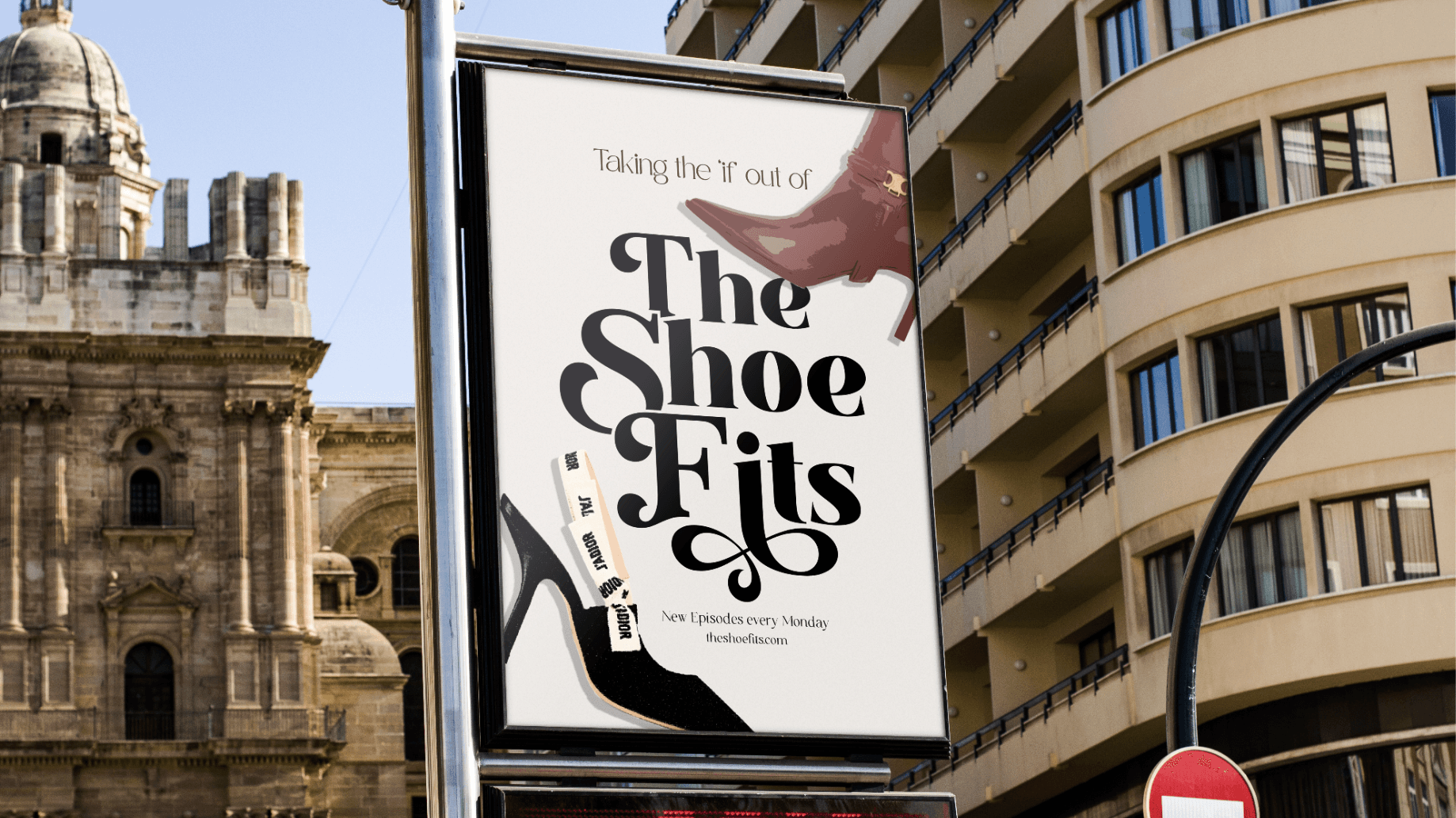
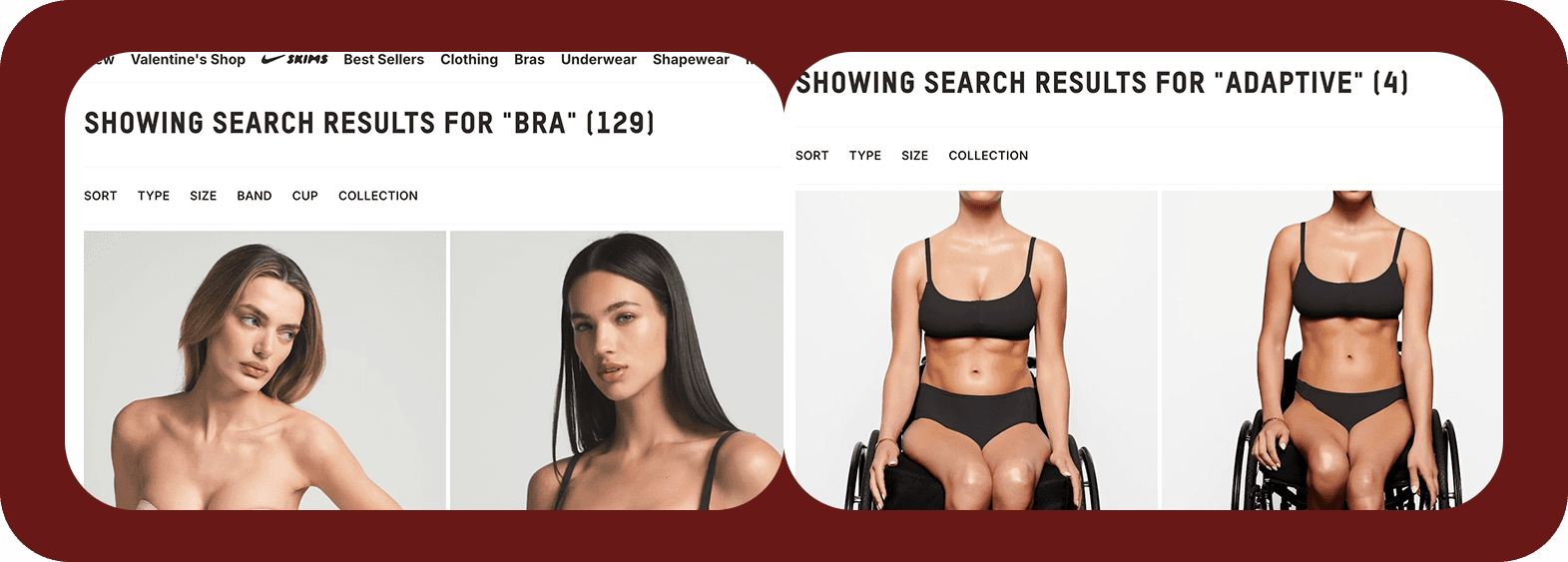
Accessible fashion is becoming more common, but it is rarely marketed as stylish, sexy, or expressive. The Shoe Fits challenges the idea that adaptive clothing's only definition should be function. This campaign reframes inclusivity as self-expressive and fashion-forward, using a branded website, podcast identity, and poster campaign to advocate for representation that feels fun rather than minimal.
Define
Target Audience
This campaign was designed for:
People who require adaptive or accessible clothing and want more expressive options.
Fashion-conscious consumers who value inclusive brands.
Younger audiences who expect representation and authenticity in brand messaging.
Campaign Strategy
This campaign needed to feel cohesive and interactive. Instead of a single advertisement, I developed a well-rounded system that could help spread the campaign to multiple types of platforms, including:
A branded website
A podcast concept centered on inclusive fashion conversations
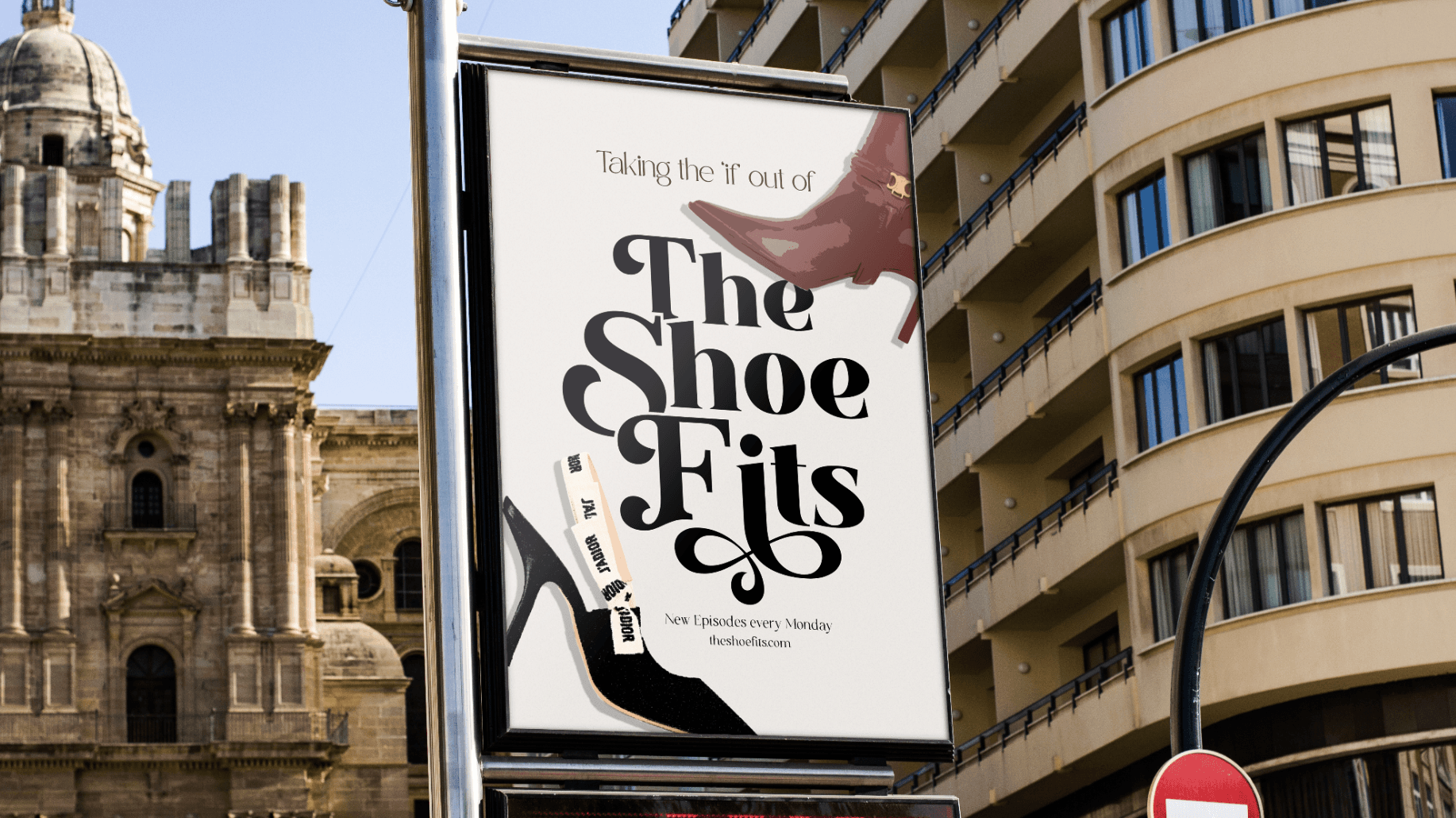
A bold poster campaign
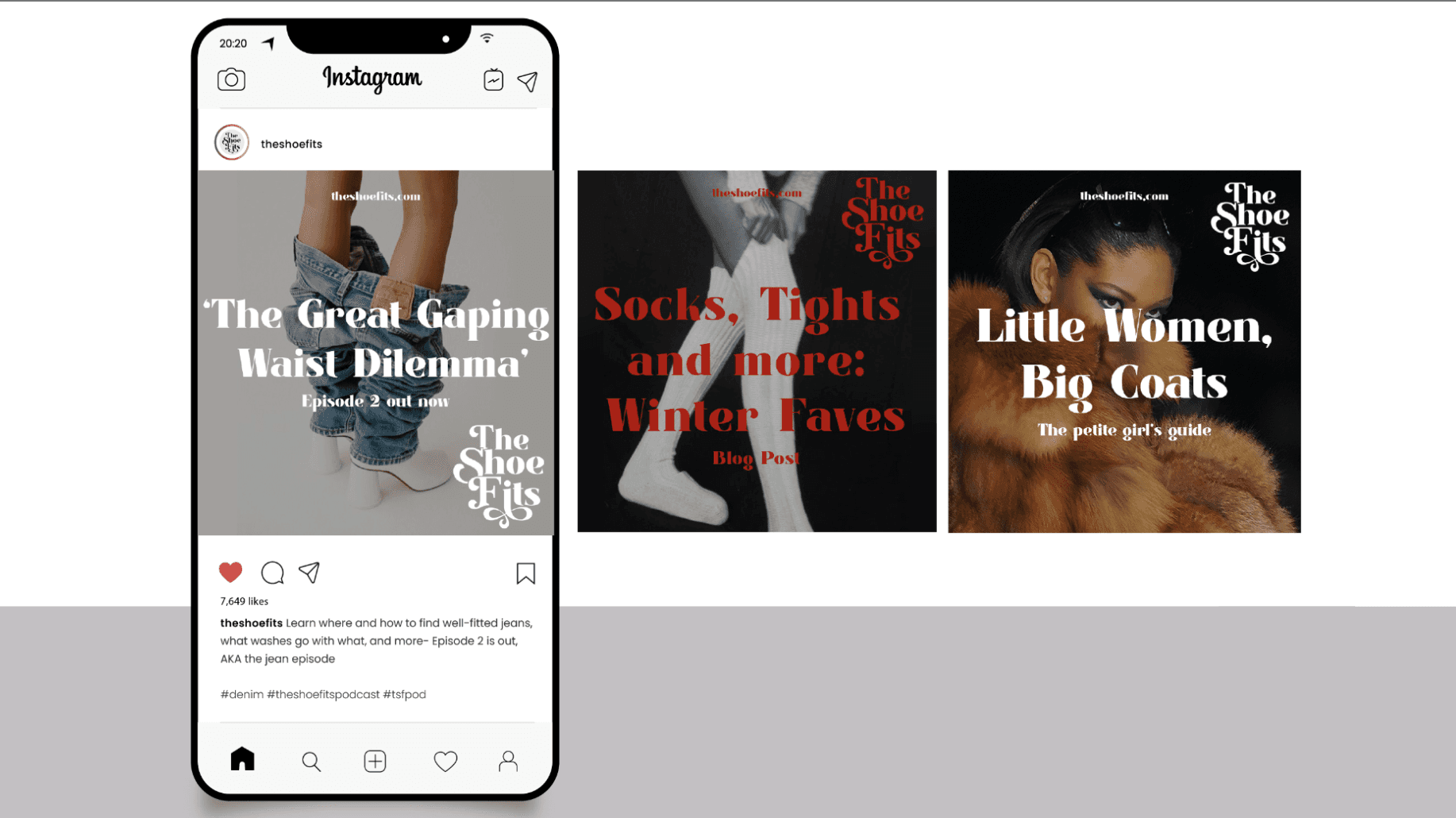
A cohesive, trendy social media campaign
User Journey
Defining the user journey was vital to this project in order to emphasize and understand how they might go through the process of finding an adaptive or accessible fashion item.
Develop
Brand Identity
The visual identity of The Shoe Fits embraces confidence through each design decision.
Design Decisions:
Modern, editorial feeling typography
Strong visual hierarchy to emphasize messaging
High-contrast color palette, with deep red serving as the primary color
Confident, assertive language
The brand tone is direct, celebratory, and fun!
Website & Podcast Mockup
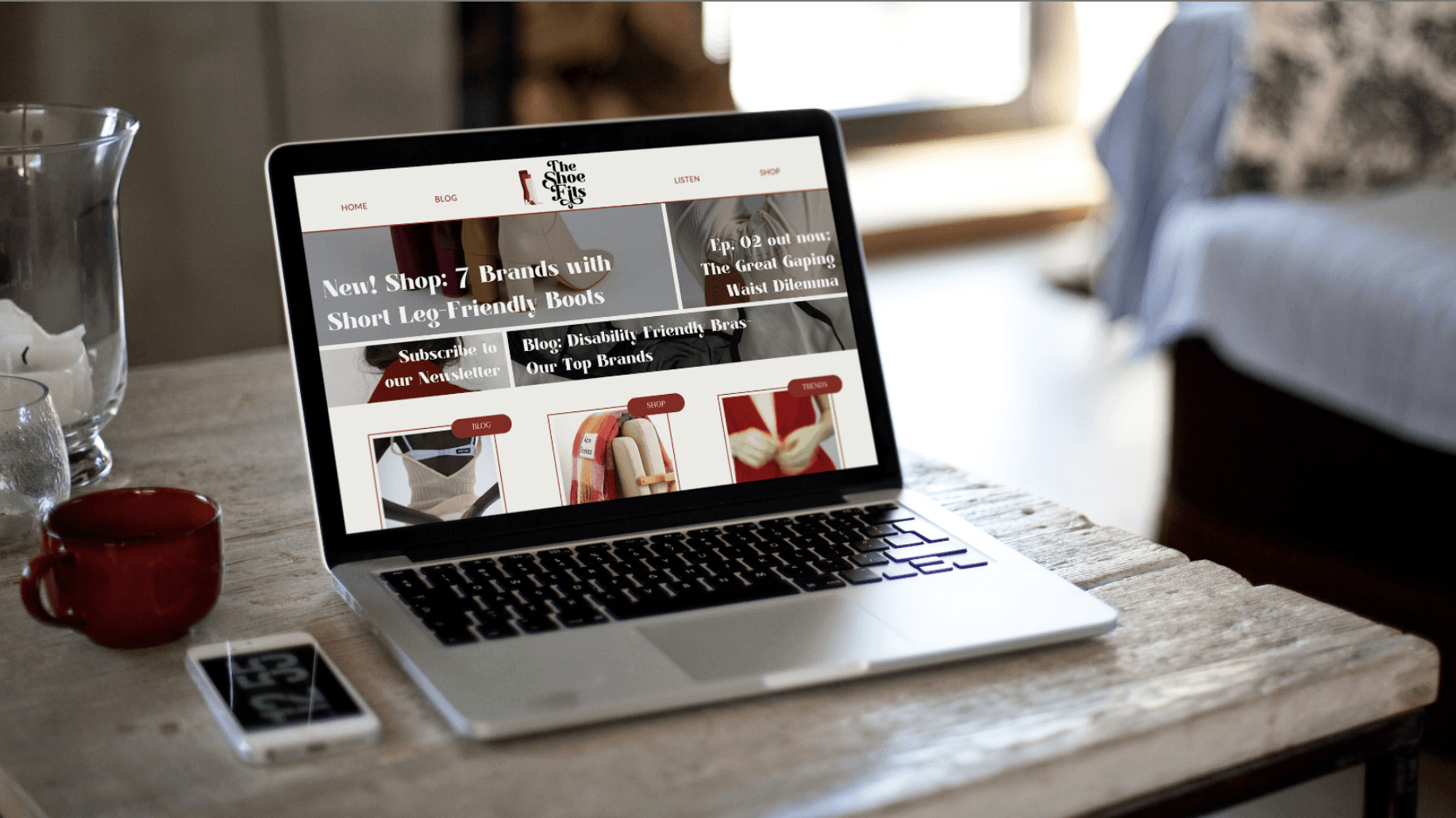
The website functions as the central campaign hub.
Key Features:
Visual storytelling that blends fashion editorial aesthetics with inclusivity
Podcast integration to extend the campaign into conversation
Clear calls to action encouraging engagement and community
Poster & Social Media Campaign
The advertisement and social media pieces of this campaign were the most important tools to convey the feeling of The Shoe Fits to new audiences.
Deliver
Outcomes
By the end of the project, I delivered:
A cohesive campaign identity and messaging direction
Extensive research on my audience's goals, needs, and pain points
Podcast concept + visual system that extends the campaign
A poster & social media design built for quick impact and shareability
Reflection
This project pushed me to think beyond just designing an interface, and taught me how to see the bigger picture in a short amount of time. It gave me the opportunity to try new concepts, especially in a marketing campaign-style project format, allowing me to see how I might be able to shift my perspective on designing as a service. I also felt that this project let me go from wanting to make something accessible, to asking myself if it felt stylish, empowering, and relevant to real wants and needs of disabled shoppers.
As this was one of my first projects where I really got to interact with accessibility as my main focus, going forward I would want to expand this concept into a bigger, testable experience, and doing some user testing to help validate messaging and design choices with users.